Starting your martial arts journey can feel overwhelming, especially when you’re unsure what lies ahead. If you’re considering taekwondo training for beginners, you’re about to embark on a rewarding path that combines physical fitness, mental discipline, and cultural tradition. This ancient Korean martial art offers newcomers a structured approach to self-defense while building confidence and character.
Whether you’re looking to improve your fitness, learn self-defense, or try something new, understanding what to expect from beginner taekwondo training will help you make an informed decision. From the essential gear you’ll need to the fundamental techniques you’ll master, this guide covers everything you need to know before stepping onto the mat for the first time.
What is Taekwondo Training for Beginners?
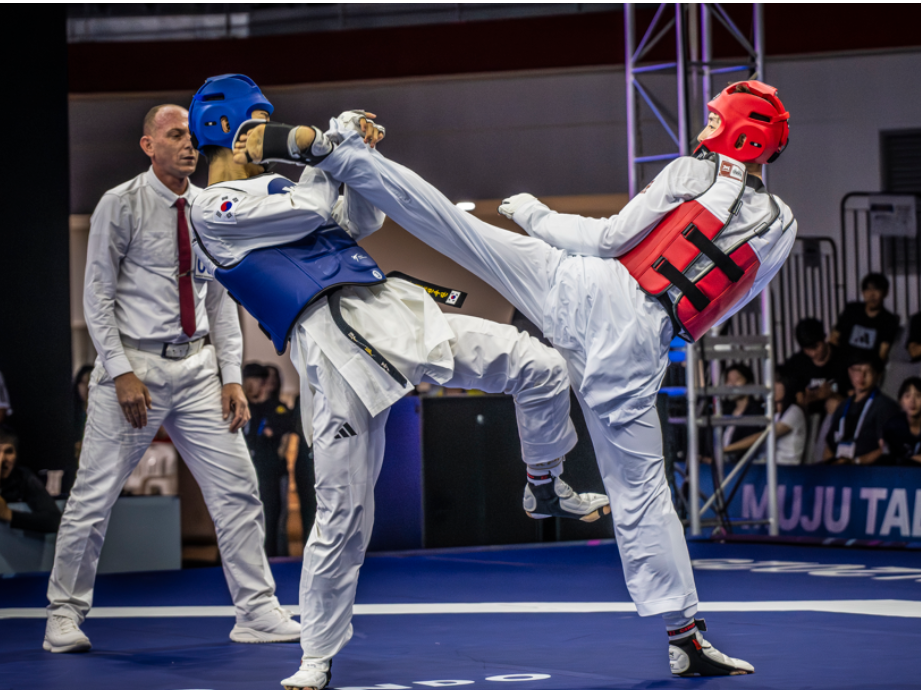
Taekwondo training for beginners introduces newcomers to a martial art that emphasizes high kicks, jumping techniques, and fast-paced movements. Unlike other martial arts that focus heavily on hand techniques, taekwondo places primary emphasis on leg techniques, making it unique in the martial arts world.
What to Expect in Taekwondo Beginner’s Class Structure
A typical beginner class follows a structured format designed to build both physical and mental capabilities. Each session begins with a warm-up period that prepares your body for training while reducing injury risk. The main training portion focuses on technique development, form practice, and conditioning exercises. Classes conclude with a cool-down session that helps your body recover and reinforces the mental aspects of training. The training emphasizes several key principles that extend beyond physical techniques. Mental focus and discipline form the foundation of every lesson, while respect for instructors and fellow students creates a positive learning environment. Progressive skill development ensures that you master basic concepts before advancing to more complex techniques. New students often wonder about the pace of learning in martial arts training beginner’s programs. Most schools structure their curriculum to accommodate different learning speeds, allowing you to progress at a comfortable rate while still being challenged. The belt system provides clear milestones that mark your advancement and give you concrete goals to work toward.
Mental and Physical Preparation:Before you start taekwondo, it’s helpful to assess your current fitness level honestly. While you don’t need to be in perfect shape to begin, understanding your starting point helps set realistic expectations. The training will gradually improve your flexibility, strength, and cardiovascular endurance, but initial sessions might feel challenging if you’re new to regular exercise. Developing mental toughness is equally important as physical preparation. Taekwondo requires patience, persistence, and the willingness to make mistakes while learning. The mental discipline you develop through consistent practice often becomes one of the most valuable benefits of training, extending into other areas of your life.
Essential Taekwondo Beginner’s Uniform and Gear
Understanding what equipment you’ll need helps you prepare financially and practically for your training journey. While the initial investment might seem significant, quality gear lasts for years and contributes to both safety and proper technique development.
Required Training Equipment:The dobok, or traditional uniform, represents your commitment to the art and shows respect for its traditions. Most schools require a traditional white uniform, though you’ll find two main styles available. The WTF-style features a V-neck design, while the ITF-style has a crossed chest appearance. Both styles must allow complete freedom of movement, particularly for the high kicks that characterize taekwondo. Your taekwondo beginner uniform should fit properly without being too loose or restrictive. The jacket should allow your arms to move freely overhead, while the pants need enough room for high kicks without binding. Many beginners make the mistake of buying uniforms that are too large, thinking they’ll grow into them, but this actually hinders proper technique development.
Protective Equipment:Safety equipment becomes essential as you progress beyond basic techniques and begin sparring practice. The chest protector, called a hogu, protects your torso during contact drills and sparring sessions. Headgear shields your head from accidental contact, while shin guards protect your legs during kicking practice. Additional protective gear includes forearm guards, groin protectors, mouthpieces, and specialized foot pads and gloves. While you won’t need all this equipment immediately, understanding what you’ll eventually require helps you budget for your training expenses. Many schools have loaner equipment for beginners, allowing you to try different brands and styles before making purchases. Don’t overlook practical items like a gym bag for organization, a water bottle for hydration, and a towel for comfort. Some schools also require training weapons for advanced forms, though these typically aren’t needed until you’ve progressed beyond beginner levels.
Fundamental Taekwondo Basics: Stances and Movements:
Essential Taekwondo Stance Fundamentals
Proper stances form the foundation for all taekwondo techniques, providing the stability and power generation necessary for effective kicks and strikes. The attention stance, called charyeot seogi, represents the formal beginning and end of training sessions. Stand with your feet together, arms straight down at your sides, and maintain vertical back alignment while focusing your attention on your instructor. The ready stance, or junbi seogi, is your default position during most training activities. Position your feet shoulder-width apart with your fists held at abdomen level and your weight balanced on the balls of your feet. This stance allows quick movement in any direction while maintaining defensive readiness. Forward stance, known as ap kubi seogi, is crucial for generating power in forward-moving techniques. Place one foot bent forward while keeping your back leg straight, with your heels aligned at shoulder width. This stance channels your body weight forward, adding power to punches and forward kicks. The back stance, or dwit kubi seogi, shifts 70% of your weight to your back leg while your front foot points forward and your back foot maintains a 90-degree angle. This defensive stance allows quick backward movement while keeping your front leg available for blocking or kicking.
Basic Taekwondo Moves for New Students
Learning fundamental taekwondo moves begins with understanding how each technique builds upon proper stance work. The front kick, or ap-chagi, represents the most basic kicking technique and teaches proper hip movement and balance. Practice this kick slowly at first, focusing on lifting your knee high before extending your leg forward and pulling it back quickly. The roundhouse kick, called dollyeo-chagi, introduces the pivoting motion that characterizes many taekwondo techniques. This kick requires you to pivot on your supporting foot while swinging your kicking leg in an arc toward your target. The movement feels awkward initially, but consistent practice develops the flexibility and coordination needed for proper execution. Hand techniques in taekwondo complement the extensive kicking arsenal. The middle punch, or momtong-jireugi, teaches proper hip rotation and power generation through your entire body. Practice this technique in front stance, rotating your hip forward as you extend your fist toward an imaginary target at chest level.
Common Mistakes Beginners Make and How to Avoid Them
Training Preparation Mistakes
Many newcomers underestimate the importance of proper preparation, leading to frustrating experiences that could easily be avoided. Wearing inappropriate clothing ranks among the most common errors. Regular athletic wear might seem sufficient, but loose shorts or shirts with graphics can interfere with technique practice and show disrespect for traditional training methods. Forgetting essential gear creates unnecessary disruptions and safety concerns. Develop a pre-class checklist that includes your uniform, belt, water bottle, and any required protective equipment. Pack your gear the night before class to avoid rushed morning preparations that lead to forgotten items. Inadequate hydration affects both performance and safety during training. Taekwondo classes are physically demanding, and proper hydration becomes crucial for maintaining focus and preventing injury. Bring more water than you think you’ll need, especially during your first few months when your body is adapting to the physical demands.
Technical Development Mistakes
Poor stance maintenance represents the most fundamental technical error among beginners. Many new students focus so intently on learning kicks and punches that they neglect the foundation that makes these techniques effective. Spend extra time practicing basic stances until they feel natural and stable. Incorrect distance judgment leads to ineffective techniques and potential safety issues during partner drills. Beginners often stand too close or too far from their targets, reducing technique effectiveness and creating awkward movements. Practice judging proper distance during solo drills before attempting partner exercises. Telegraphing moves by preparing obviously before executing techniques gives opponents advance warning and reduces technique effectiveness. Focus on maintaining relaxed readiness between techniques, avoiding unnecessary preparatory movements that signal your intentions. Neglecting proper guard position leaves you vulnerable during sparring and creates bad habits that become difficult to correct later. Keep your hands up in a protective position even during basic drills, developing muscle memory that will serve you well as training intensity increases.
How to Choose the Right Taekwondo Classes
Research and Evaluation Process
Finding quality taekwondo classes requires careful research and evaluation of multiple factors that affect your training experience. Start by researching schools in your area, paying attention to their reputation within the martial arts community and their approach to beginner instruction. Visit potential schools during regular class times to observe the training environment and instructor interaction with students. Quality instructors demonstrate techniques clearly, provide individual attention to students who need help, and maintain a positive but disciplined atmosphere. Watch how they handle beginners compared to advanced students, noting whether they adjust their teaching style appropriately. Class size significantly impacts the quality of instruction you’ll receive. Smaller classes allow more individual attention and personalized feedback, while larger classes might offer more energy and social interaction. Consider your learning style and preferences when evaluating class sizes at different schools. Schedule flexibility becomes important for maintaining consistent training, which is crucial for skill development. Look for schools that offer multiple beginner class times throughout the week, allowing you to maintain regular attendance even when work or personal commitments interfere with your preferred schedule.
Instructor Qualifications and Teaching Style
Instructor credentials matter, but teaching ability often matters more than rank alone. Look for instructors who hold legitimate black belt ranks from recognized organizations, but pay equal attention to their communication skills and patience with beginners. The best technical fighter doesn’t always make the best teacher for newcomers. Teaching style compatibility affects your learning speed and enjoyment of training. Some instructors emphasize traditional methods and formal protocols, while others take a more relaxed approach that focuses on practical application. Neither style is inherently better, but one might suit your personality and learning preferences better than the other. Ask about the school’s testing requirements and advancement timeline. Quality schools have clear standards for each belt level and don’t promote students simply for attending classes regularly. Understanding the expectations helps you set realistic goals and ensures you’re joining a school that maintains proper standards.
Conclusion
Beginning taekwondo training for beginners opens the door to a lifelong journey of physical and mental development. From understanding what to expect in your first classes to mastering fundamental techniques and choosing the right school, preparation and realistic expectations set the foundation for success. Remember that every expert was once a beginner who felt uncertain about their abilities and overwhelmed by the amount of information to absorb. Focus on consistent practice, maintain patience with your progress, and trust the process that has guided countless students from white belt to black belt mastery. The investment you make in proper equipment, quality instruction, and dedicated practice pays dividends that extend far beyond the dojo walls. The discipline, confidence, and physical fitness you develop through taekwondo training enhance every aspect of your life while providing practical self-defense skills and cultural appreciation. Take the first step by visiting local schools, asking questions, and beginning this rewarding journey. Your future self will thank you for the commitment you make today to personal growth through the ancient art of taekwondo.
2 thoughts on “Taekwondo Training for Beginners: What to Expect & Start”