Taekwondo injuries can happen if you’re not careful. Whether you’re a beginner learning basic kicks or an advanced fighter competing in tournaments, understanding how to prevent injuries in Taekwondo and recover faster is essential for long-term success. For contestants or players may suffer certain Injuries in Taekwondo to be a frustrating setback, but what if we told you that many of these injuries may be avoided with just a few simple tips? Taekwondo is demanding on the body because of its strong kicks and quick movements, but you may train harder, safer, and smarter if you use the appropriate techniques and strategies.
Injuries in Taekwondo are divided into an external wound or visible injury and physical disablement. A visible injury is an occasional wound caused by an external force like a bruise, but disablement comes from the functional changes in the body due to long time excessive physical motions. we’ll talk about the most common Taekwondo injuries, why they arise, and most importantly, how you may avoid them and heal faster. If you know about these injuries, you’ll be able to play longer and better, no matter how experienced you are. Are you ready to get rid of your injury? Let’s get started!
Understanding the most common Taekwondo injuries
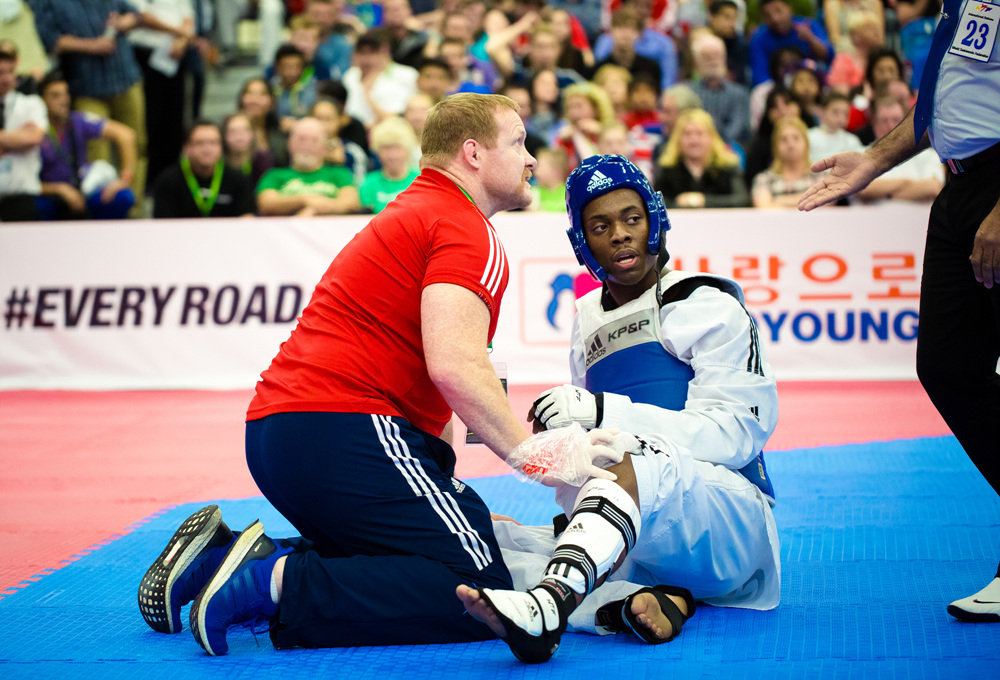
Research reveals a distinct pattern of Taekwondo injuries across different body regions. The foot (16%), knee (14.8%), ankle (13.8%), thigh (11.1%), and head (10.5%) rank as the five most frequently injured areas. Common Taekwondo injuries vary by competition format—sparring athletes predominantly suffer ankle injuries (54.03%), while poomsae practitioners experience more pelvis injuries (36.36%).
Regarding injury types, contusions account for nearly half (48.4%) of all Taekwondo common injuries, followed by strains (13.5%) and sprains (11.4%). Notably, fractures represent the most frequent injury type among sparring athletes (49.4%), whereas sprains dominate in demonstration (52.3%) and poomsae (36.4%) disciplines.
“A strong building can’t be built upon shaky ground.” — Bruce Lee, Martial arts icon, actor, and philosopher
The most common Taekwondo injuries occur through specific mechanisms. Defensive kicks cause 43.94% of injuries, while offensive kicks account for 34.68%. Consequently, lower extremities sustain most damage—females experience lower limb injuries twice as often as males (58% vs 29%).
Regarding severity, approximately 60% of training injuries require professional Taekwondo injuries treatment. Recovery timeframes vary by discipline; most poomsae athletes (64.1%) return within one week, whereas demonstration practitioners typically need 2-3 weeks (27.8%). Interestingly, excessive training and chronic fatigue emerge as the primary injury causes across all competition formats.
Expert-backed ways to prevent Taekwondo injuries
“Injury prevention isn’t just about preventing injuries; it’s about creating an environment that allows for optimal performance.” — Vern Gambetta, Renowned athletic trainer and pioneer in sports conditioning
Prevention of **Taekwondo injuries** requires a comprehensive approach backed by scientific evidence. According to research, a proper warm-up reduces strain on joints and muscles. This preparation can [decrease cold joint injury rates by 65%.
(https://www.authentictkd.ca/blogs/blog/10-warm-up-exercises-for-Taekwondo-training).
R.I.C.E. stands for Rest, Ice, Compression, and Elevation, a simple yet effective first-aid approach used by athletes, coaches, and physiotherapists worldwide. It helps reduce pain, swelling, and tissue damage during the early stages of an injury.
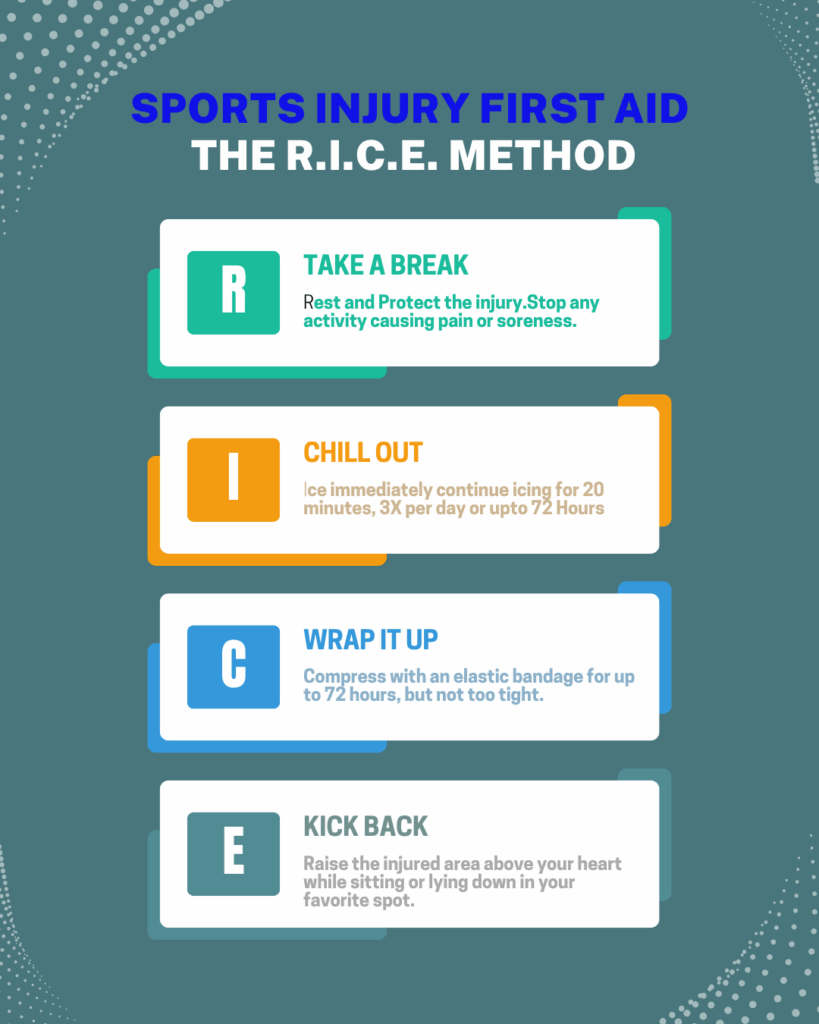
Done correctly, this immediate treatment of ankle or other joint injuries slows the body’s initial reaction to the injury, which can cause additional damage through excessive swelling, and makes way for long-term healing and recovery.
Appropriate protective equipment stands as a fundamental defense against common Taekwondo injuries. Studies indicate that forearm guards should include double-layer sponges on the ulnar shaft portion, as this area blocks most kicks. Likewise, shin guards require enhanced padding along the tibial shaft. For Taekwondo common injuries prevention, hand and foot protectors need additional padding and double-layered velcro straps to prevent sprains.
Mastering proper technique remains essential for avoiding most common Taekwondo injuries. Research shows that improper blocking skills were involved in 99% of total concussions. Strength training significantly reduces sports injuries and enhances athletic performance. Dynamic stretching helps increase flexibility and reduce muscle stiffness, lowering strain and sprain risks.
For Taekwondo injuries treatment and prevention, recovery strategies play a crucial role. Quality sleep (7-9 hours nightly) allows the body to heal after strenuous training. Maintaining adequate hydration and consuming nutrient-dense foods supports muscle repair and replenishes energy. Light activities like walking promote blood flow and expedite the recovery process.
Key Takeaways:
Understanding why Taekwondo injuries occur and implementing proper prevention strategies can significantly reduce your risk while maximizing training effectiveness.
• Most injuries happen during kicks: Kicking techniques cause the majority of Taekwondo injuries, with foot, knee, and ankle being the most vulnerable areas requiring focused protection.
• Proper warm-up reduces injury risk by 65%: A comprehensive warm-up routine can decrease cold joint injuries by 65%, making it essential before every training session.
• Technique mastery prevents 99% of concussions: Research shows improper blocking skills contribute to nearly all head injuries, emphasizing the critical importance of technical proficiency.
• Protective gear and strength training are non-negotiable: Quality protective equipment with enhanced padding and regular strength training significantly reduce injury rates and correct muscle imbalances.
• Recovery is as important as training: Adequate sleep (7-9 hours), proper nutrition, and active recovery between sessions allow your body to repair and prevent overuse injuries.
The key to safe Taekwondo practice lies in balancing intensity with intelligence—training hard while respecting your body’s limits and maintaining proper technique throughout your martial arts journey.
FAQs
Q1. What are the most common injuries in Taekwondo?
The most frequent injuries in Taekwondo occur in the foot, knee, ankle, thigh, and head. Contusions, strains, and sprains are the primary types of injuries diagnosed. Lower extremity injuries are particularly common due to the kicking-intensive nature of the sport.
Q2. How can I prevent Taekwondo injuries?
To prevent injuries, always wear proper protective gear that fits correctly and is in good condition. Implement a thorough warm-up routine before training, focus on mastering proper techniques (especially blocking skills), engage in regular strength training, and ensure adequate recovery between sessions.
Q3. Are there different injury risks for different Taekwondo disciplines?
Yes, injury patterns vary across disciplines. Sparring athletes predominantly experience ankle injuries, while poomsae practitioners are more prone to pelvis injuries. Fractures are more common in sparring, whereas sprains are more frequent in demonstration and poomsae disciplines.
Q4. How long does it typically take to recover from Taekwondo injuries?
Recovery time varies depending on the injury and discipline. Most poomsae athletes return to training within one week, while demonstration practitioners often require 2-3 weeks. More severe injuries may necessitate longer recovery periods and professional treatment.
Q5. What role does proper technique play in injury prevention?
Mastering proper technique is crucial for injury prevention in Taekwondo. Research indicates that improper blocking skills contribute to nearly all concussions in the sport. Focusing on technical proficiency, especially in fundamental movements, significantly reduces the risk of injuries during both training and competition.
Conclusion
Practicing Taekwondo involves inherent risks that every practitioner must acknowledge and address. Throughout this guide, we’ve examined how common Taekwondo injuries primarily result from kicking techniques and often affect the lower extremities. Undoubtedly, the combination of high-impact movements, biomechanical asymmetries, and technical failures creates a perfect storm for potential harm. For coaches and athletes alike, understanding that contusions, strains, and sprains constitute the majority of Taekwondo common injuries provides a clear focus for prevention efforts. Additionally, the notable difference in injury patterns between sparring, poomsae, and demonstration practitioners highlights the need for discipline-specific prevention strategies.
The evidence clearly shows that proper warm-up routines drastically reduce cold joint injuries. Therefore, I recommend implementing comprehensive warm-up protocols before every training session. Meanwhile, appropriate protective gear serves as your first line of defense against impact injuries, especially during sparring sessions. Beyond equipment, mastering proper technique remains paramount for injury prevention. After all, research demonstrates that nearly all concussions stem from improper blocking skills. Consequently, both coaches and athletes should prioritize technical proficiency before advancing to more complex movements.
Strength training and dynamic stretching likewise play crucial roles in preventing Taekwondo injuries. These practices help correct biomechanical asymmetries while building resilience against the sport’s physical demands. Furthermore, adequate recovery through proper sleep, nutrition, and active rest ensures your body can repair itself between training sessions. The journey through Taekwondo should be as safe as it is rewarding. Although injuries might seem inevitable in such a dynamic martial art, most can be prevented through diligent preparation and proper technique. By applying the prevention strategies outlined in this guide, you’ll significantly reduce your risk of sustaining Taekwondo injuries while maximizing your performance potential.
Remember that prevention extends beyond the dojang. Your overall lifestyle—including sleep patterns, nutrition, and stress management—directly impacts your injury susceptibility. Therefore, approach your Taekwondo practice holistically, giving equal attention to training, recovery, and general wellness.
For those who have already experienced Taekwondo injuries, this knowledge becomes even more vital. Since previous injuries increase the risk of recurrence, applying these preventive measures becomes essential for long-term participation in the sport.
Whether you’re a beginner just starting your martial arts journey or a seasoned black belt preparing for competition, these evidence-based strategies will help keep you on the mat rather than on the sidelines. Ultimately, the safest martial artist is not the one who avoids all risks but the one who trains intelligently, respecting both the power and the potential hazards of this remarkable martial art.