Recovery in Taekwondo training because it allows your body and mind to heal, rebuild strength, and improve performance for sustainable martial arts progress. Taekwondo recovery methods are just as crucial as the training itself, yet many practitioners overlook this vital aspect of martial arts development. Without recovery, even the most dedicated practitioners face muscle fatigue, burnout, and slower reaction times. Whether you’re training for competition or personal growth, understanding how your body repairs and regenerates after each session is the key to mastering Taekwondo effectively.
Without proper recovery, our bodies cannot rebuild and strengthen, which ultimately leads to diminished performance. When practicing Taekwondo takedown techniques or engaging in intense sparring sessions, we’re constantly pushing our physical limits. The complex Taekwondo combat techniques we perform require not just physical prowess but mental sharpness as well. Overtraining—a common pitfall in martial arts—often leads to burnout, injury, chronic soreness, slower reaction times, decreased endurance, and mental exhaustion. That’s why proper Taekwondo recovery isn’t optional—it’s essential. A well-rested practitioner moves faster, reacts quicker, and executes techniques with more precision. Additionally, when our bodies get the rest they need, they rebuild stronger and more resilient, ready to take on the next challenge.
In this blog, you’ll learn why recovery plays such an important role in Taekwondo training, the best methods for physical and mental recovery, and how to create a balanced routine that keeps you strong, focused, and injury-free. Why recovery matters, the different types of recovery methods available, and how to implement them effectively into your training regimen. Whether you’re a beginner or an advanced practitioner, understanding these principles will help you maximize your progress and sustain your practice for years to come.
The Physical and Mental Demands of Taekwondo Training
“In the dance of combat, grace meets power, and discipline becomes art.” — Ehatasamul Alom, Taekwondo practitioner, national and international competitor, coach, and referee
Taekwondo recovery methods become essential once you understand the extraordinary demands this martial art places on practitioners. Unlike many sports that focus on specific muscle groups, Taekwondo engages the entire body and mind simultaneously, creating unique stressors that require deliberate recovery strategies.
Why Taekwondo is more than just physical movement
Taekwondo extends far beyond physical exercise—it’s a comprehensive system that develops mental discipline alongside physical capabilities. Research shows Taekwondo training effectively improves cognitive function, emotional development, and social skills while reducing anxiety. The practice combines swift kicking, single-leg standing, and fast action sequences that simultaneously challenge balance control and mental processing.
This martial art actively stimulates various respiratory and circulatory systems, enhancing metabolism throughout the body. Furthermore, Taekwondo requires harmonious nervous system functioning for full-body muscle coordination and quick, accurate decision-making. These demands explain why proper recovery becomes crucial—your body and mind need time to adapt to these multi-dimensional challenges.
How Taekwondo combat techniques stress the body and mind
Taekwondo combat techniques represent high-intensity exercise, reaching approximately 84% of maximum heart rate and 56.8-82.2% of VO2max during basic movements, kicks, and Poomsae. During competition, this intensity climbs even higher, measuring at 10 METs—significantly more demanding than many common exercises.
The kinematic characteristics of taekwondo include rapid kicking and torso rotation, which rely heavily on both dynamic and static balance abilities. These explosive movements require athletes to exert maximum force in extremely short timeframes. Consequently, this intensity leads to muscle fatigue, defined as reduced contraction capacity in muscle fibers resulting from excessive physical activity.
Mental fatigue parallels physical exhaustion, manifesting as decreased cognitive function, reduced attention span, and impaired decision-making abilities. This dual strain explains why recovery becomes non-negotiable for serious practitioners.
The role of discipline and repetition in fatigue buildup
The discipline central to Taekwondo training paradoxically contributes to fatigue accumulation. Forms (Poomsae) require endless repetition and precision, demanding both physical endurance and mental concentration. Similarly, sparring sessions involve repeated drills that improve agility and reaction time while simultaneously depleting energy reserves7.
Muscle fatigue from these repetitive movements alters proprioception—your body’s positional awareness—potentially leading to:
- Decreased balance during one-legged techniques
- Reduced precision in striking capabilities
- Inaccurate movement when retracting kicks
Ultimately, these physical and mental demands highlight why Taekwondo recovery strategies must address both bodily repair and cognitive restoration to maintain performance and prevent injuries.
Why recovery is important in Taekwondo Training
Effective Taekwondo recovery methods represent the cornerstone of athletic progress, yet many practitioners underestimate their significance. The science behind recovery explains why rest isn’t merely downtime—it’s when actual growth occurs.
Muscle repair and performance enhancement
Rest periods after intense Taekwondo training are when microscopic tears in muscle fibers repair, leading to muscle growth and increased strength. Without adequate recovery, performance can plateau or even decline. Nutritional recovery plays an equally vital role—consuming carbohydrates and protein within 30 minutes to two hours after training optimizes recovery by replenishing glycogen stores and repairing muscle tissue. Essential recovery nutrients include:
- Protein for muscle repair and immune function support
- Magnesium for muscle function and relaxation
- Antioxidants (vitamins C and E) to combat oxidative stress from intense activity
Mental clarity and focus restoration
In today’s fast-paced world, Taekwondo practitioners need mental recovery as much as physical. Training demands total attention and focus; hence, regular mental reset periods are essential. During recovery, the mind clears mental clutter, enhancing decision-making abilities. This mental resilience transfers beyond the dojang into boardrooms, relationships, and creative pursuits.
Injury prevention and long-term sustainability
Overtraining without sufficient recovery dramatically increases injury risk. Notably, previous injuries raise the likelihood of new ones, making prevention crucial for consistent training. Fatigue impairs coordination and technique, primarily when practitioners push through exhaustion. Therefore, establishing a proactive approach to health—including regular rest days, proper nutrition, and adequate hydration—forms the foundation for both injury prevention and longevity in Taekwondo..
Types of Taekwondo recovery and how to apply them
Implementing proper Taekwondo recovery methods requires understanding the different types available and how to apply them effectively in your training routine.
Passive recovery: sleep, rest days, and meditation
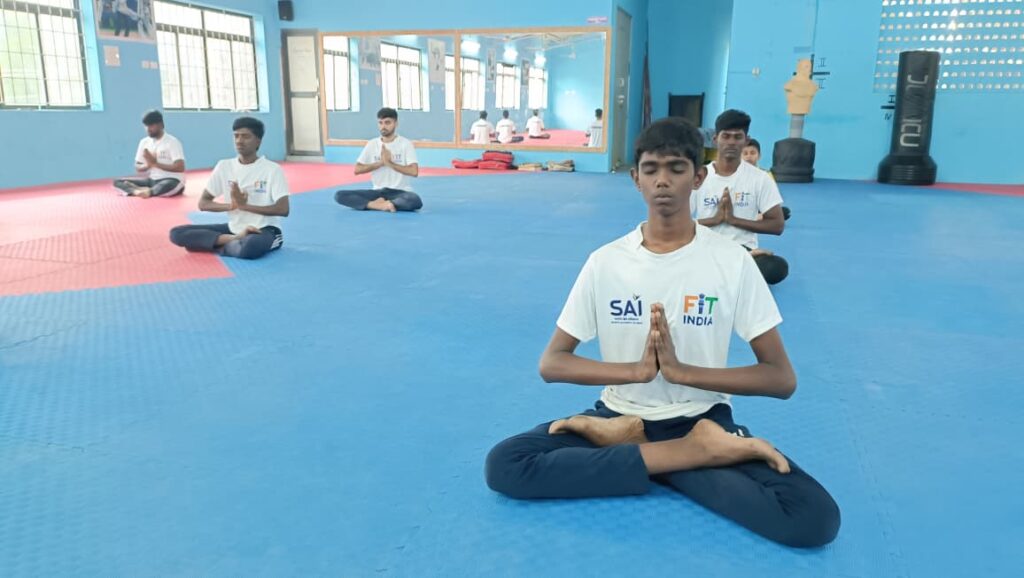
Sleep is the most important form of passive rest. A good night’s sleep of seven to nine hours provides invaluable adaptation time for athletes to adjust to the physical and emotional stressors they have experienced during the day. To develop good sleeping habits: Practice relaxation techniques before going to bed.[Muscle relaxation, music, breathing exercises, visualization, etc]. Sleep stands as the foundation of all recovery processes. During sleep, your body undergoes critical rebuilding processes, with 7-8 hours being optimal for most practitioners. Taking occasional rest days prevents overtraining, burnout, and injury accumulation. Moreover, meditation helps Taekwondo practitioners develop uncanny reaction abilities rather than anticipation. Through meditation, you can cultivate a clear, tranquil mind and enhance the flow of ki throughout your body. Meditation, floatation, and listening to music are also examples of passive tests.
Active recovery: stretching, walking, and light drills
Active rest is useful for physiological and musculoskeletal recovery, and it is one of the most commonly performed post-exercise recovery interventions. The end of the training session is an ideal time for active recovery activities. A separate session can also be organized for active rest. Low-intensity activities can be performed for this purpose. Active recovery involves low-intensity exercises that promote blood circulation without overtaxing your system. Specifically, full-body stretching after training reduces tension in joints and muscles, particularly in sensitive areas. Light aerobic activities like walking or cycling for 20-30 minutes help flush out lactic acid and accelerate muscle repair.
Nutritional recovery: protein, carbs, and hydration
According to the great ancient physician and philosopher Hippocrates, “food should be your medicine and medicine should be your food“. Thus, the first and primary medicine for sports pharmacosanation is rational nutrition.A balanced diet helps to recover faster from the workout. Health drinks during and after the workout can accelerate the recovery process. Proper meal timings and good eating habits are also important for faster recovery. Post-training nutrition should include:
- Protein (0.8-1g per pound of bodyweight) for muscle repair
- Carbohydrates (2-3g per pound) to replenish glycogen stores
- Fluids (1.5 liters per kilogram of body weight lost) for proper rehydration
Consume this recovery meal within 30-60 minutes after exercise for optimal results.
Technology and tools: wearables, foam rollers, and apps
Wearable technology provides valuable data about physical condition, stamina, and recovery needs. In fact, foam rolling helps release muscle tension, relieve soreness, and improve range of motion when done correctly. Start slowly, focusing on breathing through any discomfort. Recovery apps can track progress and provide guided recovery protocols tailored to your specific needs.
How to build a recovery routine into your Taekwondo Schedule
“A black belt is not a destination but a milestone on a lifelong journey of self-discovery and growth.” — Ehatasamul Alom, Taekwondo practitioner, national and international competitor, coach, and referee
Integrating Taekwondo recovery methods into your training schedule requires strategic planning that balances intensity with adequate rest. Structured recovery isn’t merely an afterthought—it’s a cornerstone of sustainable progress in martial arts.
Recovery in one day of Taekwondo Training
The Taekwondo trainer who trains only once in a day gets almost 22hours of interval in between the training sessions. This rest interval is quite sufficient for complete restoration. Recovery procedures become a little more complicated when the athletes train two or three times in a day. In this case, it is important in natural restoration to establish a correct sequence of exercises/loads.i.e., employing low load in the additional session and giving high or sub-maximal load in the main session with different directions, is important to achieve recovery in one day of training.
Creating a weekly training and rest balance
Structure your training week with a deliberate mix of high, moderate, and low-intensity sessions to enhance performance and minimize injury risk. Alternate intense workouts with lighter days, allowing your body sufficient time to repair and strengthen. For optimal results, schedule high-intensity training on the same day, followed by recovery-focused activities. This periodization approach prevents burnout by cycling through phases of varying intensity.
Listening to your body: signs you need more rest
Pay close attention to these warning signals indicating your body needs additional recovery:
- Persistent fatigue even after rest days
- Increased resting heart rate upon waking
- Decreased performance despite consistent training
- Irritability, mood swings, or reduced motivation
- Lingering muscle soreness that doesn’t dissipate
These symptoms suggest you’re entering overtraining territory—a state where performance declines despite continued effort.
Avoiding the ‘no pain, no gain’ trap
Although pushing limits is essential for improvement, the “no pain, no gain” mentality represents a dangerous misconception. Many practitioners unknowingly sabotage their performance by neglecting recovery. At this point, understand that rest isn’t weakness—it’s weaponry. Train your mind to recognize discomfort signals and adjust intensity accordingly, as proper recovery ultimately accelerates progress.
Role of coaches in enforcing recovery protocols
The coach is responsible for the overall planning of training loads and the appropriate work-recovery ratio. The coach needs to monitor the load, performance, and also observe the signs or symptoms of non-adaptation. Effective coaches play a crucial role in promoting recovery by educating practitioners about its benefits, monitoring training loads, and providing personalized recovery plans. They should emphasize technique over intensity when fatigue appears and help athletes distinguish between productive training discomfort versus potential injury signals. Ultimately, coaches establish the foundation for long-term martial arts development by ensuring recovery becomes as integral to training as the workouts themselves.
Selecting appropriate Recovery Techniques
Selecting the best recovery techniques depends on the following factors:-
- Is it metabolic fatigue where the fluid and fuel stores need replenishing?
- Is it neural fatigue from explosive, powerful exercises or skill training?
- Is it psychological fatigue?
Metabolic fatigue can be addressed by restoring fluids and fuel stores and increasing their transportation to the fatigued muscles.
Neural fatigue can be reduced by using a spa, a massage or one of the relaxation techniques.
Psychological fatigue can be addressed by relaxing mentally and physically or by choosing a light entertaining activity if emotional recovery is required.
Conclusion
Recovery in Taekwondo training stands as the unsung hero behind every successful martial artist. Throughout this article, we’ve explored how the intense physical and mental demands of Taekwondo necessitate deliberate recovery strategies. Undoubtedly, the high-intensity movements, repetitive training, and mental concentration required in this martial art create unique stressors that can lead to fatigue, decreased performance, and potential injuries if not properly addressed.
Training hard and training smart are not always synonymous. First and foremost, remember that recovery isn’t merely downtime—it’s when actual growth occurs. During rest periods, our bodies repair microscopic muscle tears, replenish energy stores, and strengthen neural pathways that improve technique. Additionally, mental recovery clears the cognitive fog that can accumulate during intense training sessions, allowing for sharper focus and better decision-making.
While many practitioners fall into the “no pain, no gain” trap, I’ve learned through years of experience that strategic recovery actually accelerates progress rather than hindering it. Therefore, implementing a balanced approach that includes passive recovery (sleep, rest days), active recovery (stretching, light movement), proper nutrition, and recovery tools can transform your Taekwondo journey.
For many athletes, the question becomes “How can I train hard without getting injured or sick? The answer is simple “WORK HARD + RCOVER WELL=BEST PERFORMANCE“
By treating recovery with the same seriousness as your training sessions, you’ll not only prevent injuries but also unlock new levels of performance you might have thought impossible. Remember, the true masters of Taekwondo aren’t just those who train the hardest—they’re the ones who recover the smartest.
Key Takeaways
Recovery in Taekwondo isn’t optional downtime—it’s when your body rebuilds stronger and your mind sharpens for peak performance.
• Recovery drives actual growth: Muscle repair and strength gains occur during rest periods, not during training sessions themselves.
• Balance high-intensity training with strategic rest: Alternate intense workouts with lighter days to prevent overtraining and maximize performance gains.
• Listen to your body’s warning signals: Persistent fatigue, decreased performance, and mood changes indicate you need more recovery time.
• Implement multiple recovery methods: Combine sleep, active recovery, proper nutrition, and recovery tools for comprehensive restoration.
• Mental recovery is equally crucial: Clear thinking and sharp focus require deliberate mental rest periods between intense training sessions.
The smartest Taekwondo practitioners understand that recovery isn’t weakness—it’s the strategic advantage that separates sustainable progress from burnout and injury.
References
– “Planning in sports” Book author K.P.Manilal,Ph.D
https://www.quora.com/Is-taekwondo-bad-for-your-body
– https://terra-docs.s3.us-east-2.amazonaws.com/IJHSR/Articles/volume7-issue8/IJHSR_2025_78_78.pdf
– https://infinity-tkd.com/2024/10/11/self-care-for-martial-artists-balancing-training-and-well-being/
– http://www.jkspm.org/journal/view.html?doi=10.13066/kspm.2020.15.3.1
– https://www.idokarate.com/blog/overcoming-fatigue-in-taekwondo-training-strategies-to-improve-technique-and-performance-in-martial-arts
– https://christiantkd.com/taekwondo-teaches-discipline-and-respect/
– https://u.osu.edu/liftlab/2023/10/03/positive-impacts-of-martial-arts-training-on-physical-and-mental-health/
– https://www.impact-martialarts.com/blog/the-importance-of-rest-and-recovery-in-martial-arts-training
– https://thetkdlab.com/the-essential-guide-to-diet-and-nutrition-for-high-performance-taekwondo/
– https://www.ryusmartialarts.com/blog/how-taekwondo-improves-mental-clarity-and-focus-for-adults/
– https://fittoplay.org/sports/taekwondo/taekwondo/
– https://orthoinfo.aaos.org/en/staying-healthy/martial-arts-injury-prevention/
– https://thetkdlab.com/injury-prevention-and-management-in-sport-taekwondo/